Architectural visualization and 3D rendering
Architectural visualization transforms abstract concepts into tangible visuals. It allows architects and designers to present their ideas in a clear and compelling manner.
The role of 3D rendering
See every detail before construction begins
Introduction to architectural visualization
Architectural visualization is a powerful tool in the world of design. It transforms abstract concepts into tangible visuals. This technique allows architects and designers to present their ideas in a clear and compelling manner.
The role of 3D rendering in architecture
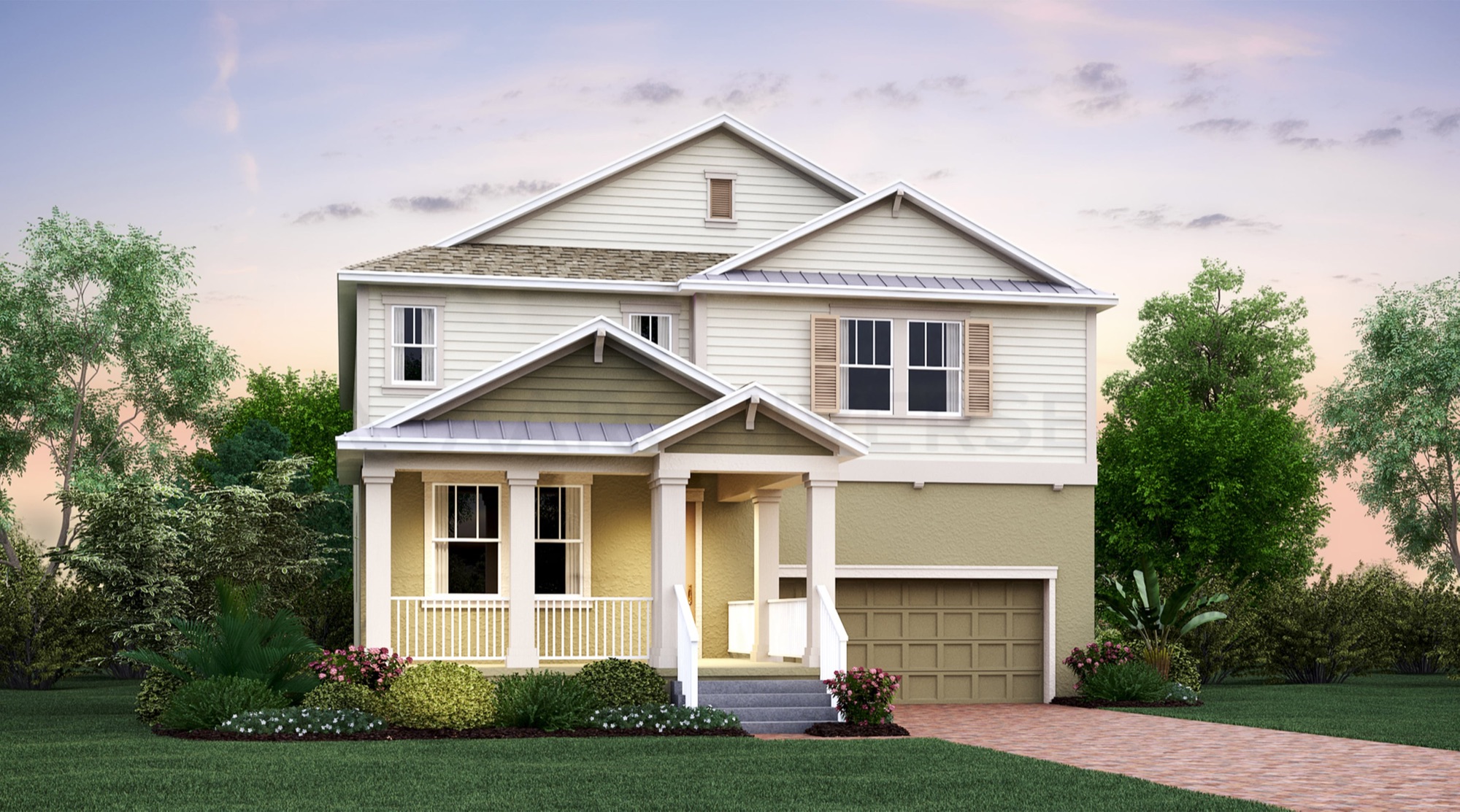
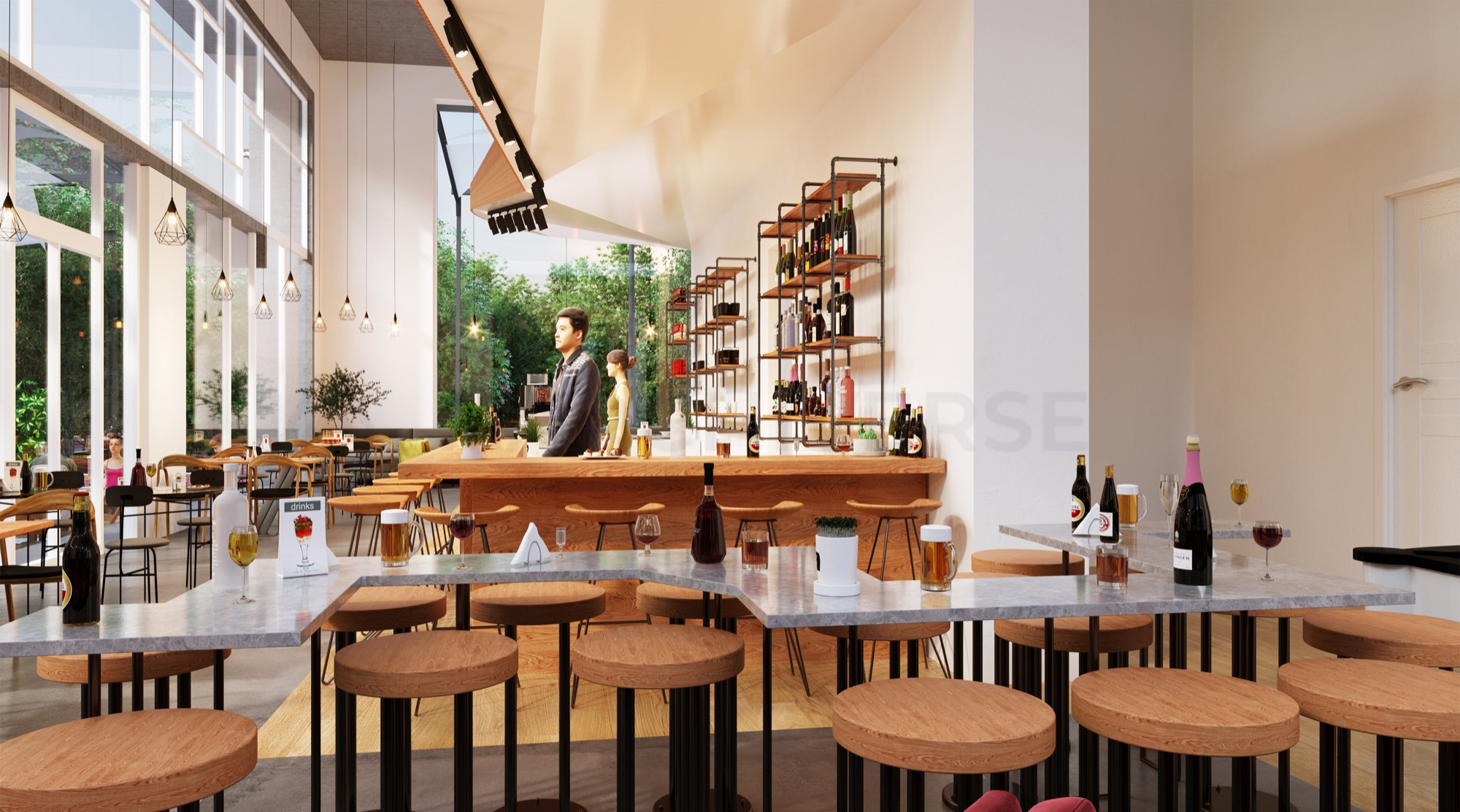
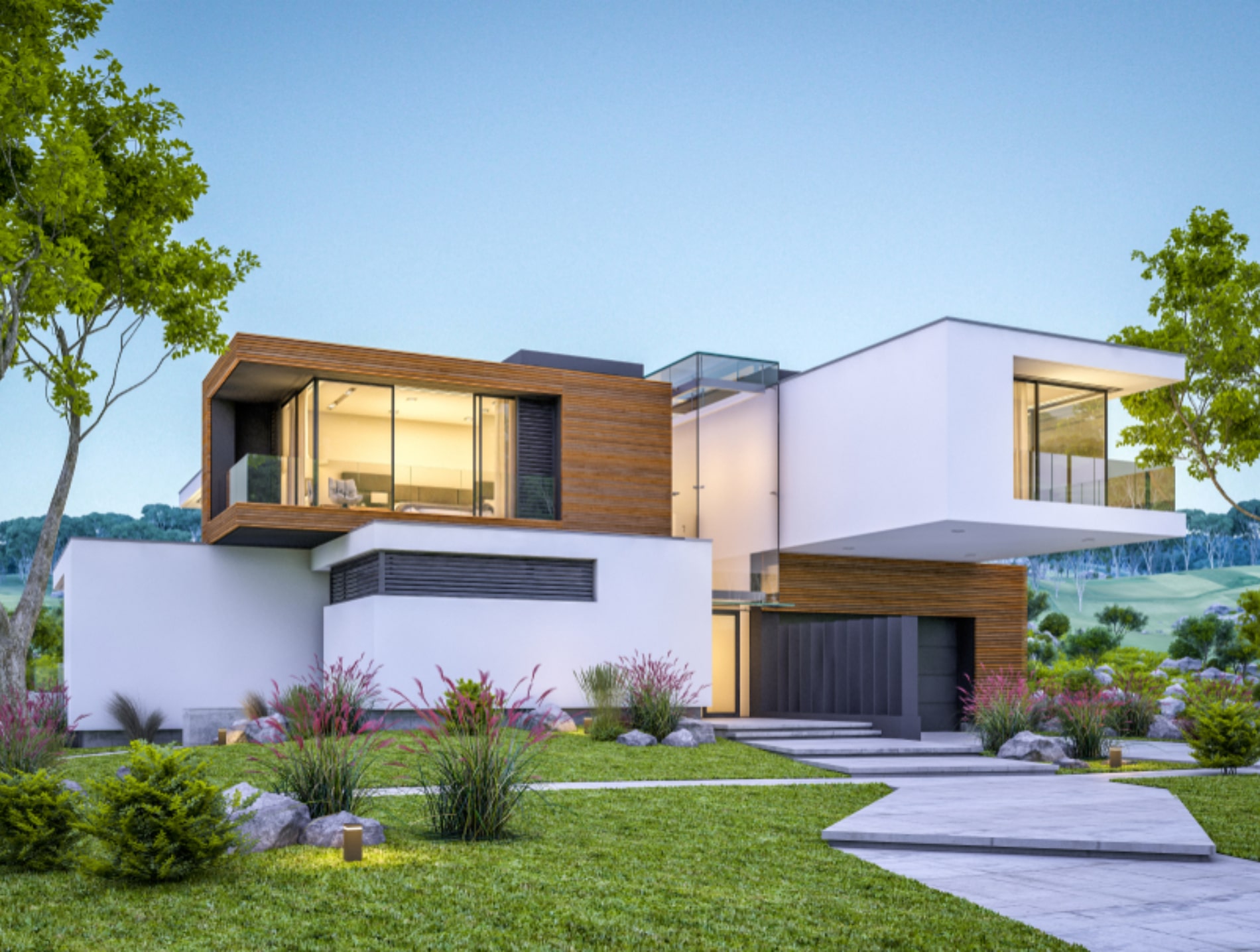
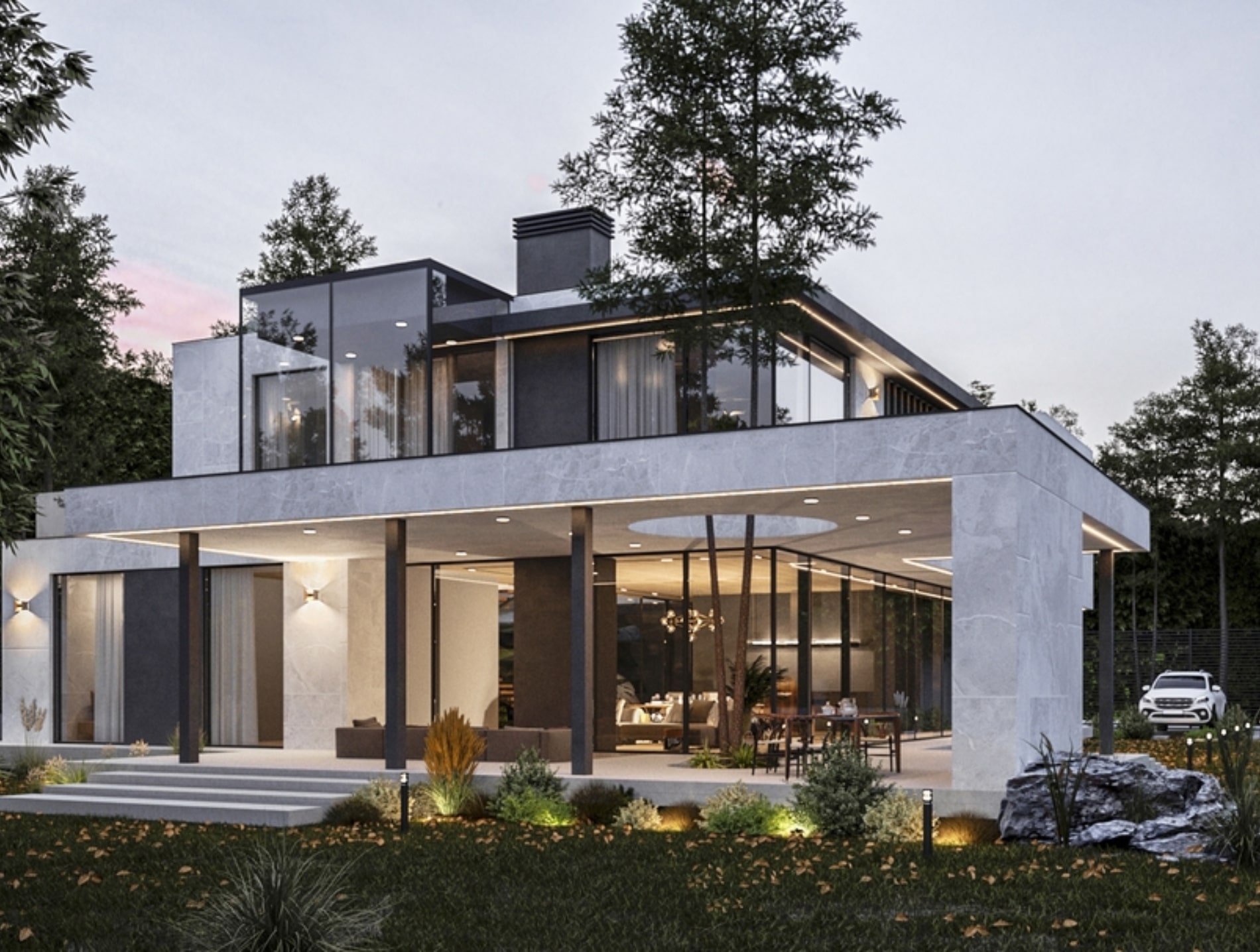
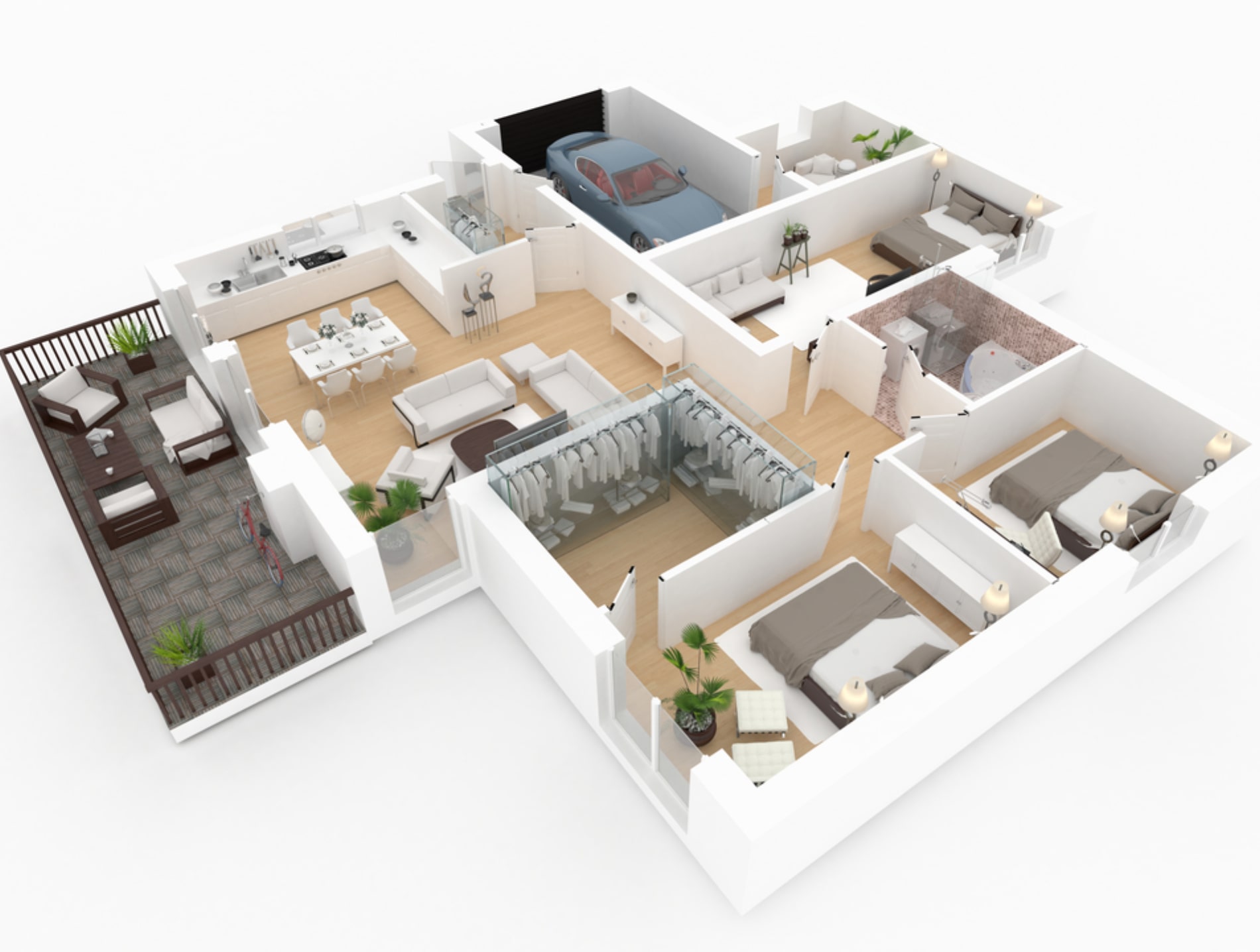
3D rendering brings architectural visualization to life. It uses advanced software to create realistic images of buildings and spaces. These images help clients and stakeholders understand the project better. They can see every detail before construction begins.
Benefits
- Enhanced communication. Clients can easily grasp the architect's vision.
- Improved accuracy. Designers can spot potential issues early.
- Marketing. Stunning visuals attract potential buyers and investors.
Techniques in 3D rendering
Photorealistic rendering
The most popular technique. It focuses on creating lifelike images with detailed textures, accurate lighting and realistic materials. The result is an image that closely resembles a photograph.
Non-photorealistic rendering
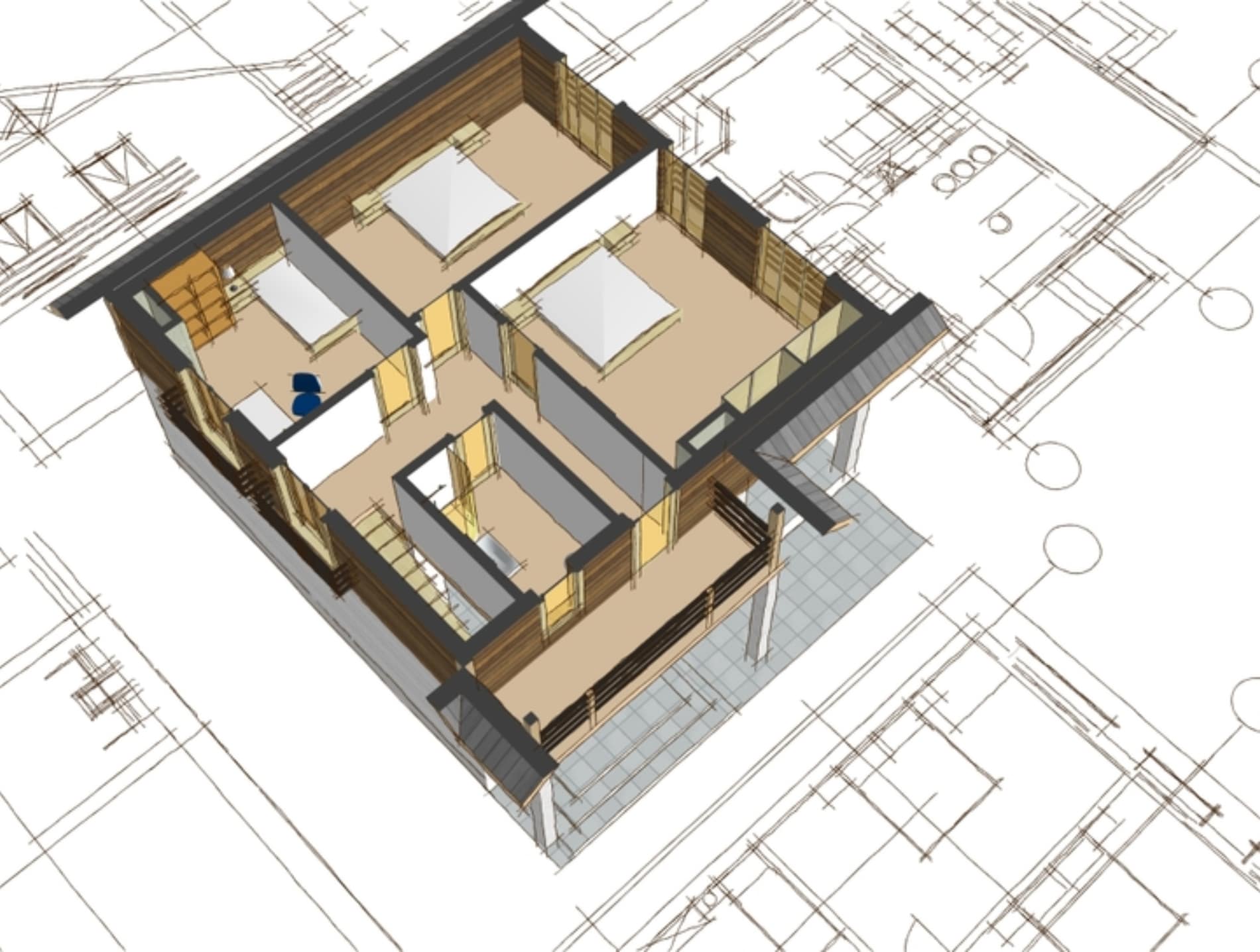
A different approach that emphasises artistic elements over realism. Useful for conceptual designs and creative presentations, it adds a unique touch to architectural visualization.
Software for 3D rendering
Autodesk 3ds Max
A powerful tool for 3D rendering, widely used in the industry for its versatility and advanced features. Ideal for detailed and complex visualizations.
SketchUp
Known for its user-friendly interface, perfect for quick results. Despite its simplicity, SketchUp can produce impressive 3D renderings.
Blender
Free and open-source, with a wide range of features and high customisability. A great choice for professional results without the high cost.
Future of architectural visualization
Advances in technology continue to enhance rendering techniques. Virtual reality and augmented reality are becoming more prevalent, providing immersive experiences and interactive designs. Our 360° virtual rendering is the first step on that path.
Related work
Exterior and interior galleries