Architectural visualization
Presentation visuals for the moments that decide a project: the planning submission, the investor deck, the first sales brochure.

Introduction to architectural visualization
Architectural visualization is a powerful tool in the world of design. It transforms abstract concepts into tangible visuals. This technique allows architects and designers to present their ideas in a clear and compelling manner.
Benefits
- Enhanced communication. Clients can easily grasp the architect's vision.
- Improved accuracy. Designers can spot potential issues early.
- Marketing. Stunning visuals attract potential buyers and investors.
Photorealistic rendering
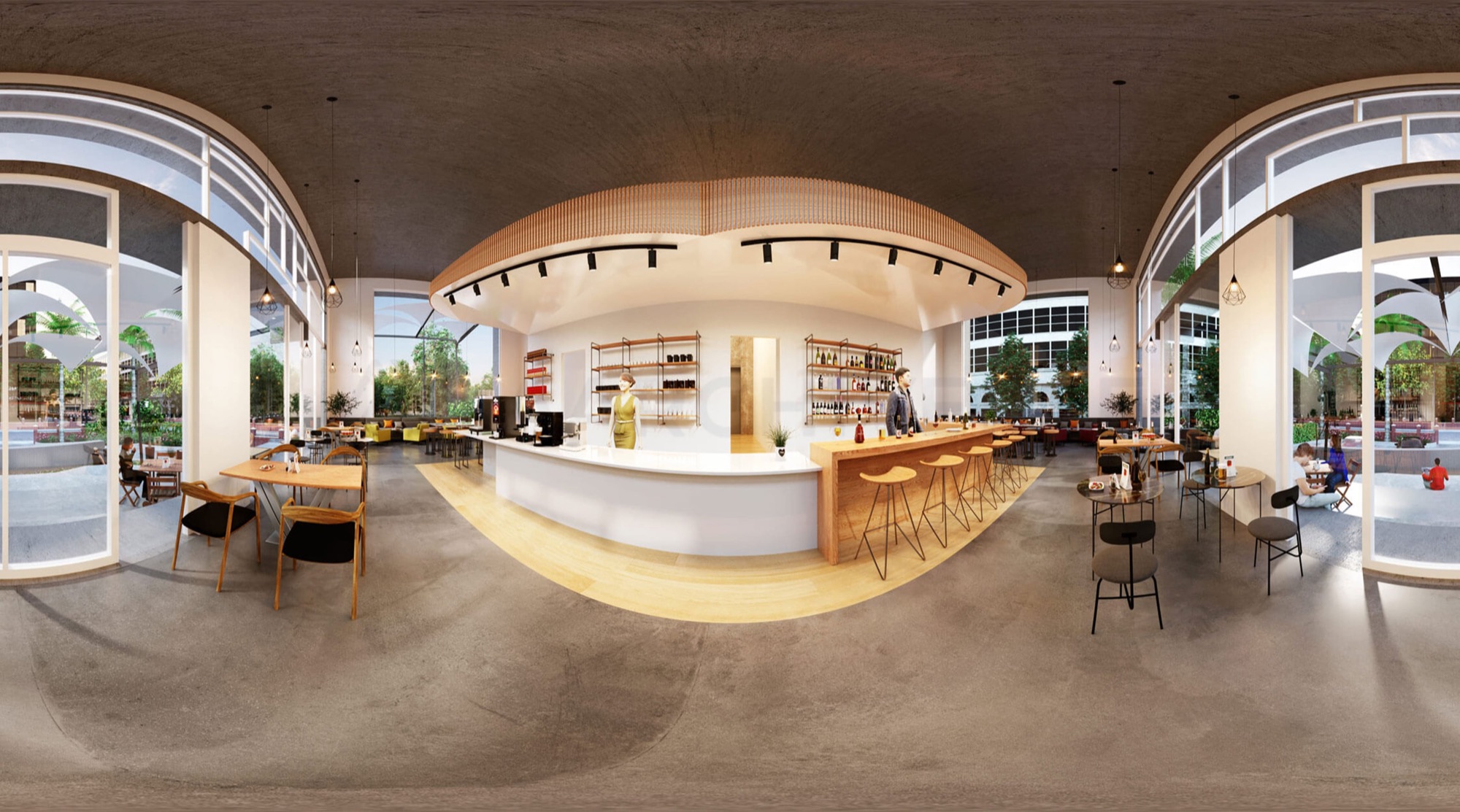
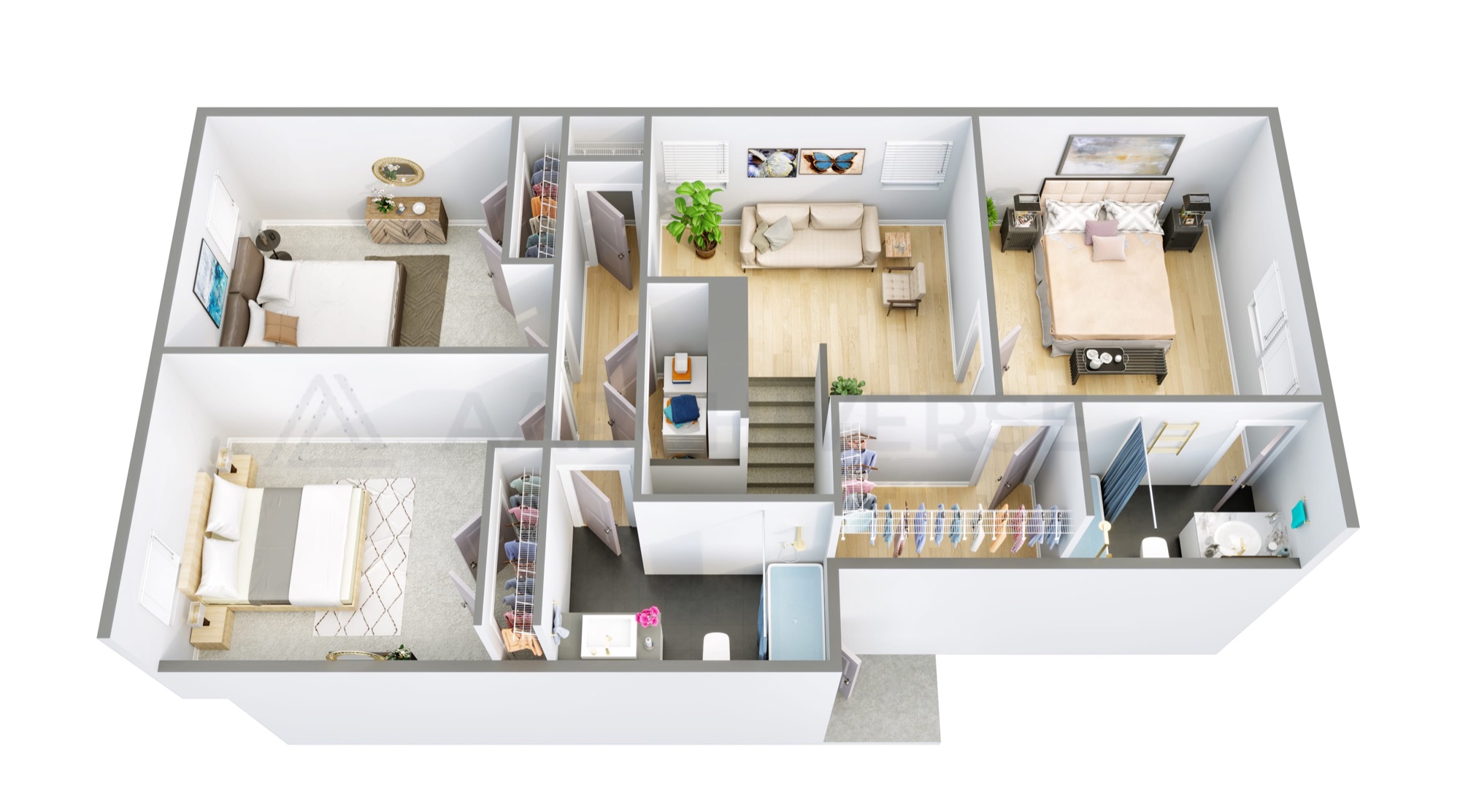
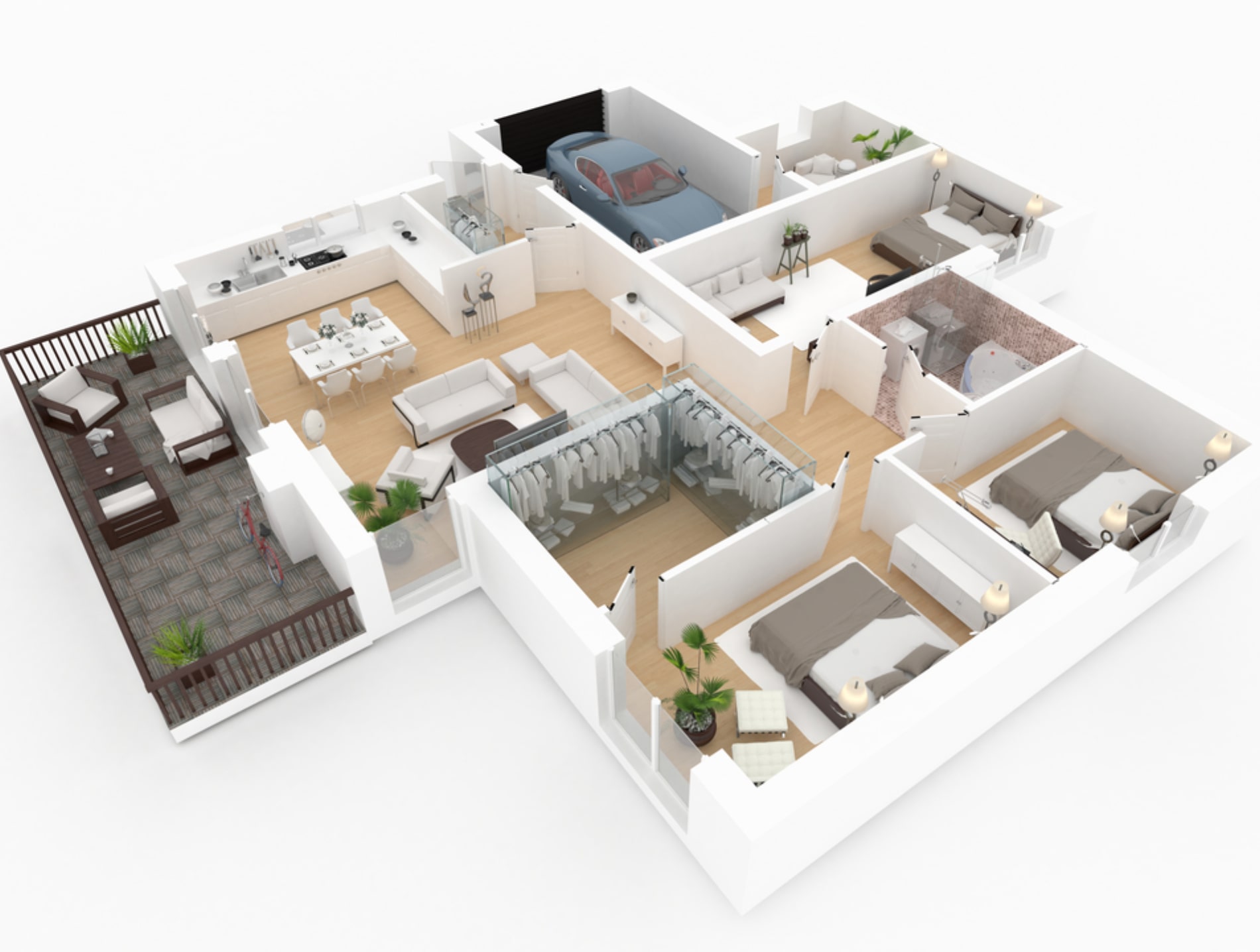
The most popular technique. It focuses on creating lifelike images with detailed textures, accurate lighting and realistic materials. The result is an image that closely resembles a photograph.
Non-photorealistic rendering
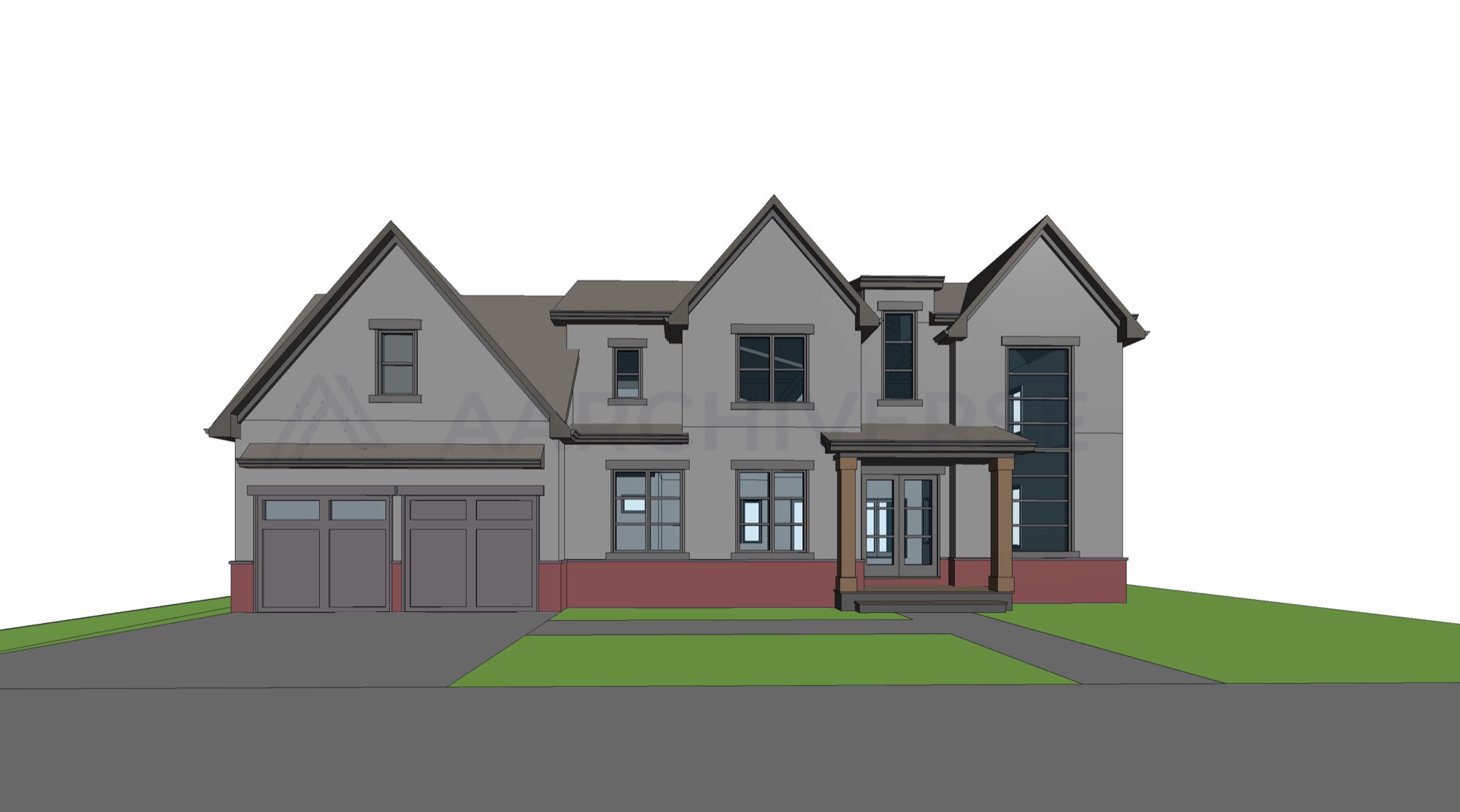
A different approach that emphasises artistic elements over realism. Useful for conceptual designs and creative presentations, it adds a unique touch to architectural visualization.
Future of architectural visualization
Advances in technology continue to enhance rendering techniques. Virtual reality and augmented reality are becoming more prevalent, providing immersive experiences and interactive designs.
What to send us
- Plans, elevations and sections (PDF, DWG or hand sketches)
- Material references, mood images or a finishes schedule
- Site photos or a map pin for context and sun direction
- The views you need, or let us propose camera angles
Galleries
Browse by type